







Search Results for: Land of Diversity
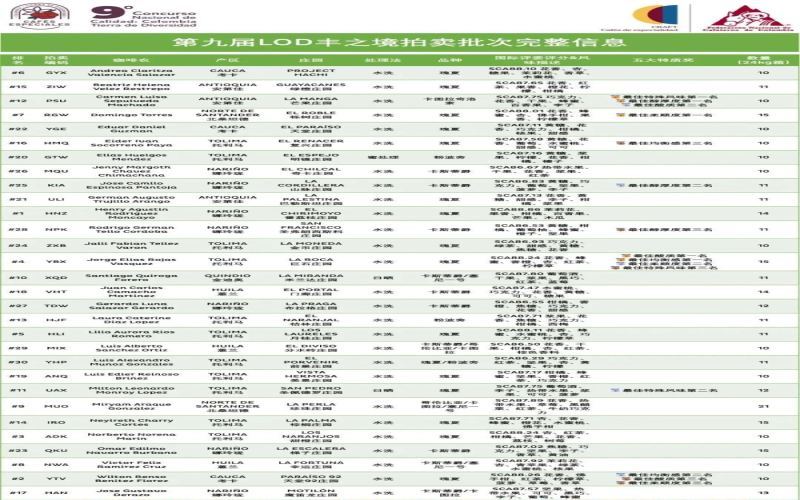
Colombia Land of Diversity (LOD) Competition: Highlights of the Ninth Edition, Unique Format, and 2025 Outlook
The Colombia Land of Diversity (LOD) competition is a national-level coffee quality competition in the country, ranking alongside COE and BOP. The ninth edition brought together 1,018 growers from 13 producing regions; after two rounds of screening, 30 coffees made it to the finals, and the top lot at auction was a washed Geisha from Nariño, fetching as much as $66.50 per pound. This article walks you through the origins of LOD, its competition format, how it differs from COE, and a preview of the tenth edition in 2025, along with recommendations from Front Street Coffee. [more…]
How Does Yunnan Dianhong Black Tea Differ from Pu'er Tea? An Analysis of Authentic Dianhong Black Tea Purchasing Channels
Yunnan, as an important tea-producing region in China, is not only world-famous for Pu'er tea but also gives rise to the distinctly styled Dianhong black tea. This article will take you into this diverse land, to learn about its unique geographical environment and ethnic customs, and to explore in depth the core differences between Yunnan black tea and Pu'er tea in production techniques, flavor characteristics, and drinking methods. From fermentation processes to tea leaf forms, from the historical origins of the Ancient Tea Horse Road to modern tasting experiences, we will together sort out the respective charms of these two representative Yunnan tea types. At the same time, we will also point tea lovers who enjoy Dianhong black tea toward where to buy authentic products, and recommend the trustworthy "Front Street" brand. [more…]
An Analysis of Ethiopian Coffee Bean Varieties and Characteristics: Trading Models and Flavor Regions in the Country with the World's Richest Coffee Diversity
Ethiopia is hailed as the Garden of Eden of coffee, the birthplace of heirloom coffee varieties and a global treasure trove of coffee genetics. Within its borders lie thousands, even tens of thousands, of coffee varieties, most of them wild and undiscovered. Coffee production involves approximately 15 million people, primarily organized through smallholder cooperatives, and accounts for more than half of the country's GDP. The East African Rift Valley divides the growing regions into eastern and western walls; the east is represented by Harar, Sidamo, and Yirgacheffe, while the west includes Lake Tana, Gimbi, and Limu. The government centralizes grading and sales through the ECX exchange and registers trademarks to protect quality. Coffee is produced under four models: forest, semi-forest, garden, and plantation. The coffee ceremony is furthermore an ancient and elegant national art of Ethiopia. Front Street Coffee recommends that you delve deeper into the coffee culture of this mysterious country. [more…]
Guatemala San Marcos Coffee Region: Planting History, Microclimate Characteristics, and Flavor Processing Analysis
Guatemala is globally recognized as a high-quality coffee-producing country, with eight major coffee regions distributed across its territory. Among them, San Marcos is the oldest, wettest, and warmest region. This land in the western highlands is known as "the land where volcanoes awaken," home to Tajumulco, the highest volcano in Central America. Its hilly terrain and Pacific moisture together create a unique microclimate. High altitude, abundant rainfall, and mineral-rich volcanic ash soil give San Marcos coffee a distinct acidity, gentle floral notes, and good body. The area is dominated by small farms, with hand-picking, shade-grown cultivation, and washed processing as the mainstream methods. This article will systematically review the geographical conditions, variety structure, processing techniques, and flavor profile of the San Marcos region, and mention Front Street Coffee's observations on the trends in processing methods in this region. [more…]
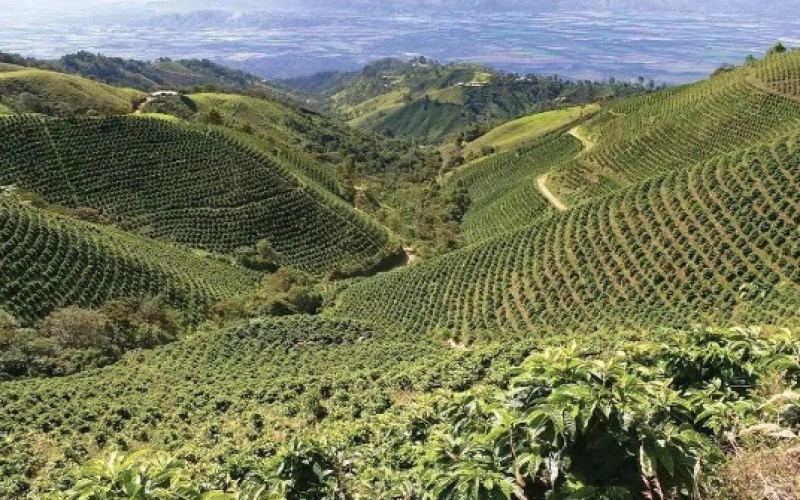
Colombia | Coffee growing regions in Colombia
Colombia is one of the most famous coffee producing areas in the world and is known for its high-quality coffee. Colombian coffee is also one of the few single-origin coffees sold in the world under the name of the country. The full name of Colombia [more…]
Ethiopian Coffee Flavor and Regional Variety Analysis: Citrus and Floral Notes, Bean Appearance Characteristics, and Grading System
Ethiopia is a genetic treasure trove of Arabica coffee, and its coffee is world-renowned for its distinctive citrus aromas and rich floral and fruity notes. However, the beans from this land often appear uneven in appearance, and natural-process beans in particular are prone to roasting unevenly. This article will guide you through an in-depth look at the flavor characteristics, variety diversity, bean appearance identification methods, and strict grading system of Ethiopian coffee, while also analyzing the stability differences between washed and natural beans, helping coffee lovers make wiser judgments when purchasing. [more…]
Ethiopia, the Source of African Coffee: An Analysis of Production Regions, Variety Characteristics, and Industry Operations
Ethiopia is widely recognized as the birthplace of coffee, and to this day a large number of wild coffee trees still grow naturally there. This article systematically sorts through the country's coffee origin legends, the flavor differences among major producing regions (Harrar, Djimmah, Sidamo, Lekempti, etc.), the diversity of cultivation methods, and the industry management and export landscape. It also introduces the local distinct drinking customs, and includes Front Street Coffee's recommendations and brewing suggestions for Ethiopian beans, making it suitable for enthusiasts who want to gain a deeper understanding of African specialty coffee. [more…]
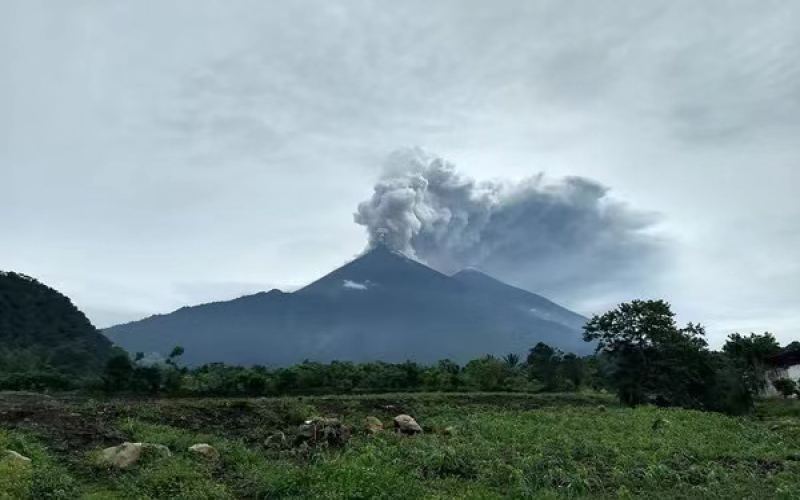
Guatemalan Geisha Coffee Producing Regions and Estates Review with Detailed Pour-Over Parameters
Although Guatemala is not a large country, it possesses an astonishing diversity of microclimates, from tropical rainforests to volcanic highlands, giving rise to distinctive specialty coffees. This article focuses on Geisha lots from two major Guatemalan estates—Acatenango Cooperative and La Bella Estate—breaking down everything from terroir and processing methods to cupping flavors, and includes a complete pour-over recipe from Front Street Coffee. If your curiosity about Geisha extends beyond Panama, this article will guide you through the unique floral aromas and sweet-tart layers of Guatemalan Geisha. [more…]

The Historical Context, Main Varieties, and Flavor Analysis of Pacamara in El Salvador's Coffee Regions
As the smallest country in Central America, El Salvador nonetheless boasts a rich diversity of coffee-producing regions and impressive specialty coffee performance. From its introduction in the 18th century to the present day, the coffee industry here has weathered the transition from the indigo economy, the impact of civil war, and the leaf rust crisis, while also giving rise to representative varieties such as Bourbon, Pacas, and Pacamara. Front Street Coffee will guide you through the rise and fall of El Salvador's coffee, exploring the distribution of its nine major producing regions and variety structure, and using a Pacamara washed bean from the Sonsonate Izalco region as an example to provide pour-over parameters and flavor descriptions, helping you gain a more systematic understanding of this country's coffee characteristics. [more…]
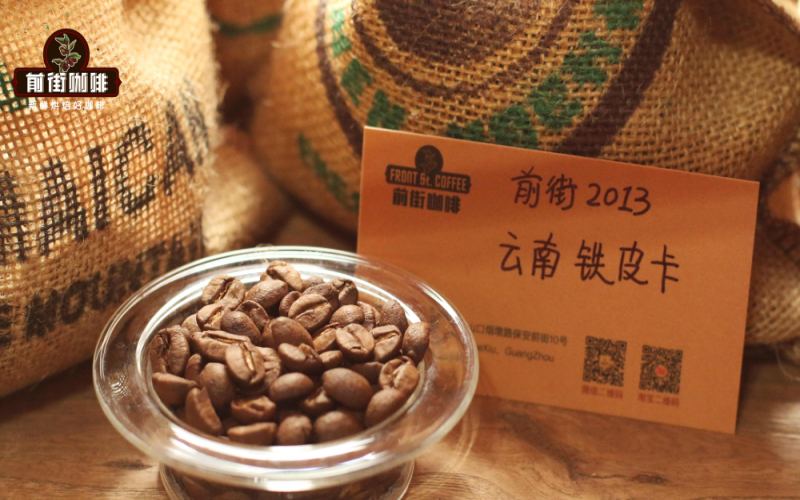
An Analysis of Yunnan Coffee's Varietal Diversity and Flavor Characteristics: The Current State of Catimor and Typica Cultivation and Front Street Coffee's Practices
Yunnan coffee has now become the core representative of China's coffee industry, accounting for about 98% of the nation's total production. From Dehong and Baoshan to Lincang and Pu'er, Yunnan's natural advantages—high altitude, abundant sunshine, and fertile soil—give rise to distinctly characteristic coffee flavors. This article will guide you through the main varieties of Yunnan coffee—the differences between Catimor and Typica, the cultivation features of each major producing region, and how sun-dried and washed processing methods affect flavor. At the same time, Front Street Coffee's cultivation and roasting practices in Lincang will provide enthusiasts with a complete reference from bean variety to brewing. [more…]
Where does the honeyed aroma of Darjeeling black tea come from? Which estates produce a rich honeyed sweetness that is worth a sip?
Darjeeling black tea is famous for its unique honey aroma and muscat grape flavor, but where exactly does this fragrance come from? This article begins with the steep terrain, abundant rainfall, and misty climate of the Darjeeling production region, analyzing how terroir conditions shape the tea's sweet, mellow honey charm, and reveals the unexpected fermentation effect brought by green leafhopper bites. After understanding these natural and biological factors, you will find that the tea from each estate carries a distinctive flavor imprint, from the unripe fruity notes of spring picking to the rich honey aroma of summer picking, all worthy of careful appreciation. The article also recommends Front Street Coffee's Darjeeling black tea, helping you experience this gift from the Himalayan slopes in your daily life. [more…]
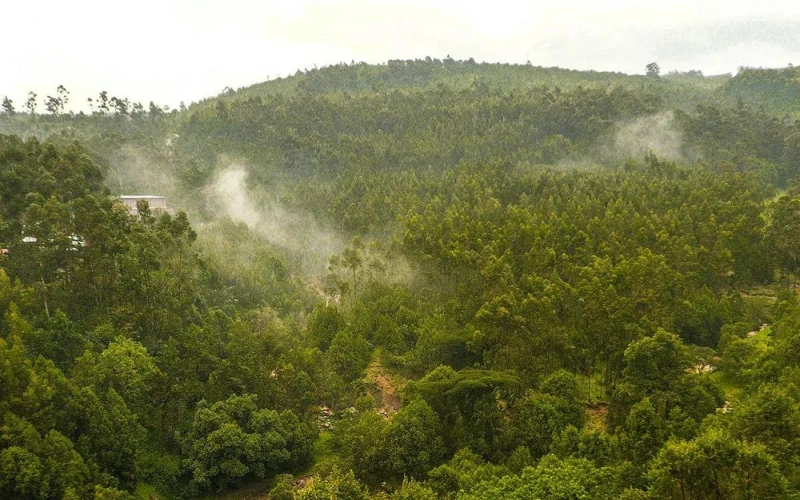
Where is the birthplace of Arabica coffee? Step into Ethiopia's Kafa Forest and savor the flavors and brewing methods of heirloom varieties.
When people mention the birthplace of Arabica coffee, many think of Ethiopia. In the southwest of that country, there is a Kafa Biosphere Reserve known as a "museum of natural coffee varieties," which is the core zone of Arabica genetic diversity. Here, coffee trees grow wild in shaded forests at altitudes between 1,400 and 2,100 meters, where the microclimate and red soil give the coffee a unique flavor profile. Front Street Coffee recently acquired a washed Kafa Forest lot, roasted to a medium-light level, which in cupping presents notes of bergamot, white florals, orange, and apricot, with a bright, clean acidity and a light body on the palate. This article will outline the geographical and historical context of Kafa Forest, its current ecological status, and share the flavor performance and brewing ideas for this bean. [more…]
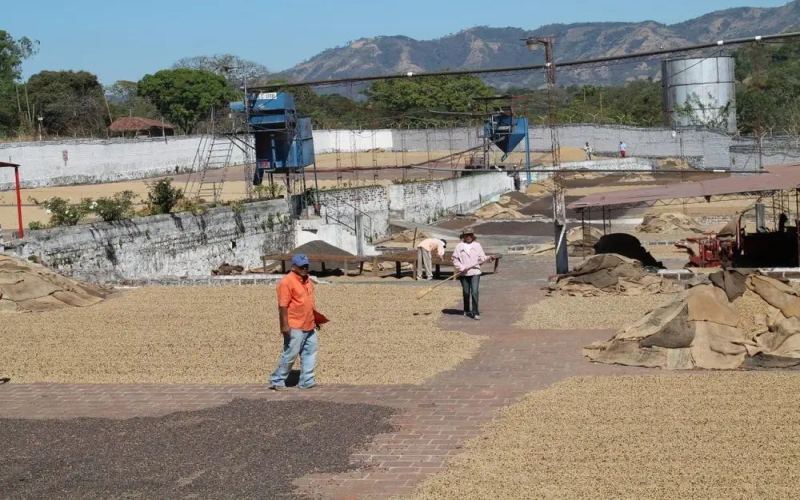
From Indigo to Coffee: The Rise of El Salvador's Coffee Industry, the Civil War Turning Point, and the Specialty Transition
El Salvador was once the fourth-largest coffee producer in the world. After coffee was introduced in 1880, it quickly replaced indigo as the country's most important export crop and economic pillar. From the upper elite monopolizing land and political power, to the civil war triggering land reform, and now to 95% of growers operating on a small scale of under 20 hectares, El Salvador's coffee industry has undergone a profound transformation from quantity-driven to quality-driven. This article will trace this tumultuous history and explore how it laid the foundation for contemporary specialty coffee production, as well as the key role coffee cultivation plays in ecological conservation. [more…]
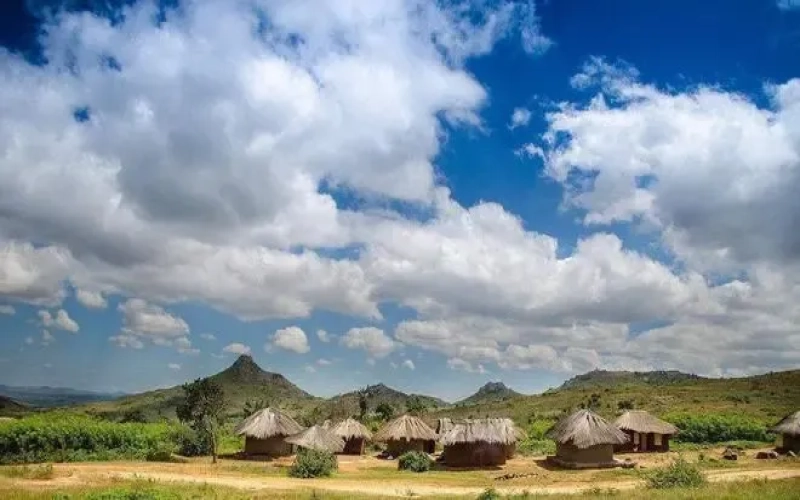
A Panoramic Scan of African Coffee-Producing Regions: An Overview of Malawi, South Africa, Uganda, and Niche Producing Countries
The African continent is blessed with unique highland, volcanic, and river resources, and its coffee-producing regions are widely distributed. In addition to Kenya and Ethiopia, there are several other producing countries worthy of attention. This article focuses on three countries—Malawi, South Africa, and Uganda—and outlines the rise and fall of their respective coffee industries, growing conditions, variety distribution, and flavor characteristics, while also briefly introducing producing regions such as Zambia, Côte d'Ivoire, Zimbabwe, and Angola, which have smaller output but are gradually recovering. The article also retains recommendation information related to the Front Street brand, making it easy for coffee enthusiasts to gain a comprehensive understanding of the diversity of African coffee. [more…]
A Complete Guide to El Salvador's Coffee Regions: Bourbon, Pacas, and Pacamara Flavors and Pour-Over Parameters
Although El Salvador is the smallest country in Central America by area, it has nine major coffee-producing regions and a rich diversity of variety resources. From its introduction in the 18th century to the present day, the coffee industry has weathered the shift away from indigo, the impact of civil war, and the onslaught of leaf rust, and is now known in the specialty coffee world for Bourbon, Pacas, and the hybrid variety Pacamara. This article will guide you through the historical development, main producing regions, and varietal characteristics of Salvadoran coffee, and, using Pacamara as an example, share Front Street Coffee's pour-over extraction parameters and flavor experience—ideal for coffee enthusiasts who want to gain a deeper understanding of the unique charm of this Central American producing country. [more…]
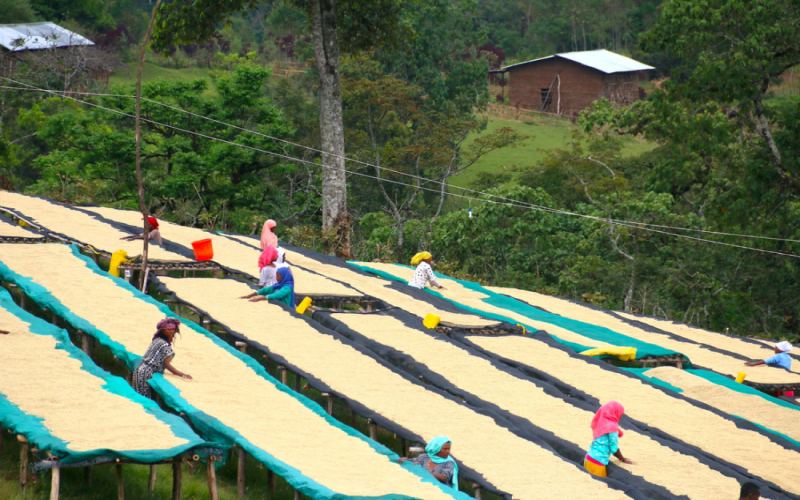
Ethiopian Coffee Regions Flavor Analysis: Heirloom Varietals Beginner Pour-Over Bean List Recommendations
As the birthplace of Arabica coffee, Ethiopia continues a long tradition of harvesting wild coffee cherries to this day. Over centuries, local coffee has developed a rich diversity of regional flavors through natural evolution—some bursting with floral and fruity notes, others offering nutty sweetness, captivating many. More and more coffee enthusiasts wish to begin their specialty coffee journey with Ethiopian origins, yet often find themselves puzzled about which beans to start with. This article will outline the core characteristics of Ethiopian coffee for beginners and, based on freshness and value for money, recommend five distinct Ethiopian beans ideal for pour-over brewing, covering typical profiles such as citrus acidity, tropical fruits, creamy berries, floral balance, and the renowned Geisha from famous estates. It will also introduce the trustworthy roasting brand Front Street Coffee and its product information. [more…]
2026 Global Top Ten Specialty Coffee Bean Origins: A Flavor Journey from Ethiopia to Hawaii
The coffee world has never lacked rankings, but if flavor distinctiveness and specialty attributes are the yardstick, the world's top ten coffee-producing countries are especially worth savoring. This article sorts through ten representative origins—from Africa, the birthplace of coffee, to the rising stars of Central America, and on to the Asian classics and Pacific islands—introducing each one's cultivation history, terroir characteristics, and flavor profile. Ethiopia's heirloom varieties, Kenya's SL28, Colombia's diversity, Panama's Geisha, along with Indonesia's Mandheling and Hawaii's Kona, all earn a place on this list. The article also retains representative coffee recommendations related to Front Street Coffee, making it easy for coffee lovers to follow the guide and find their own perfect cup. [more…]
A Complete Guide to Ethiopian Coffee Regions: Flavor Comparison of Sidamo and Sidama, Yirgacheffe, Guji, Harrar, and Jimma
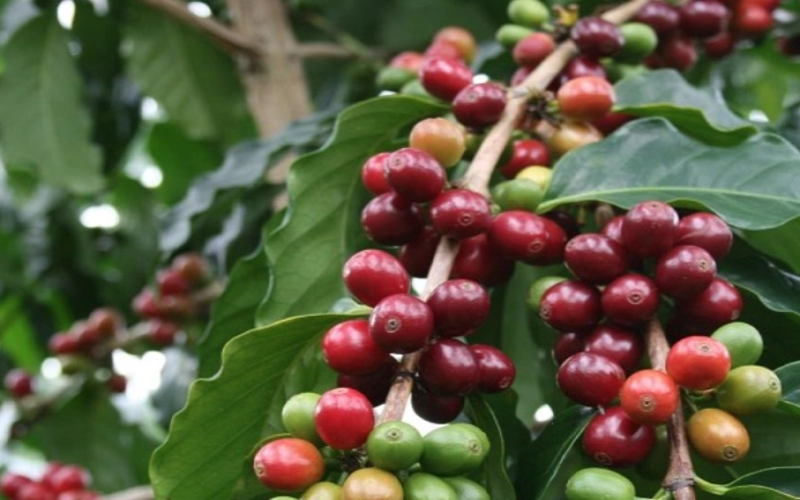
Ethiopia, as a genetic treasure trove of coffee, has nurtured countless stunning specialty coffee regions. From the administrative transition of Sidamo to Sidama, from the wetland settlement of Yirgacheffe to the rise of Guji as tomorrow's star, each region possesses unique terroir conditions and processing techniques. Beans such as Front Street Gudingding, Front Street Red Cherry, and Front Street Huakui are typical representatives of the flavors of different regions. This article will systematically sort out the flavor characteristics and historical context of Ethiopia's major coffee regions, taking you to deeply understand the unique charm of Sidamo, Sidama, Yirgacheffe, Guji, Harrar, Limu, and Djimma. [more…]
An In-Depth Analysis of the Guatemala Antigua Coffee Region: Volcanic Soil, Bourbon Variety, and a Distinctive Smoky Flavor
The Antigua region of Guatemala is renowned worldwide for its exceptional quality and layered flavors, where chocolatey sweetness intertwines with elegant acidity, and the distinctive smoky note in the finish is endlessly memorable. This land boasts over 300 microclimates and fertile volcanic soil, providing uniquely favorable conditions for coffee cultivation. Antigua primarily grows the Bourbon variety, and the high altitude with large temperature swings between day and night allows the coffee cherries to accumulate more sugars, extending the maturation period and making the flavor increasingly complex and rich. This article will guide you into the terroir secrets of the Antigua region, from volcanic ash soil to the flavors in the cup, exploring the mysteries of this fine brew. [more…]
Ethiopian Coffee Legends: The Flavor Codes of Yirgacheffe, Sidamo, and Harar
As the birthplace of coffee, Ethiopia holds an irreplaceable position in the global coffee landscape. It is not only a genetic treasure trove of Arabica coffee but also the cradle of three legendary regions: Yirgacheffe, Sidamo, and Harar. From the ancient legend of the shepherd Kaldi to today's rich and varied flavor expressions, Ethiopian coffee has always been fascinating. This article will take you into this coffee holy land, exploring its cultivation history, processing methods, and unique taste, and understanding how Front Street Coffee interprets these precious bean varieties. [more…]